


After several years of unprecedented electricity price volatility, energy resilience has moved from a long-term aspiration to an immediate operational priority for education estates. Schools, colleges and universities are facing rising utility costs, uncertainty in future pricing, and growing pressure to decarbonise. In response, more FM leaders attending the Education Forum are turning to on-site renewable generation, battery storage and demand-side response (DSR) programmes to stabilise budgets, reduce emissions and gain more control over their energy future…
Solar PV: Now a Core Asset, Not an Optional Upgrade
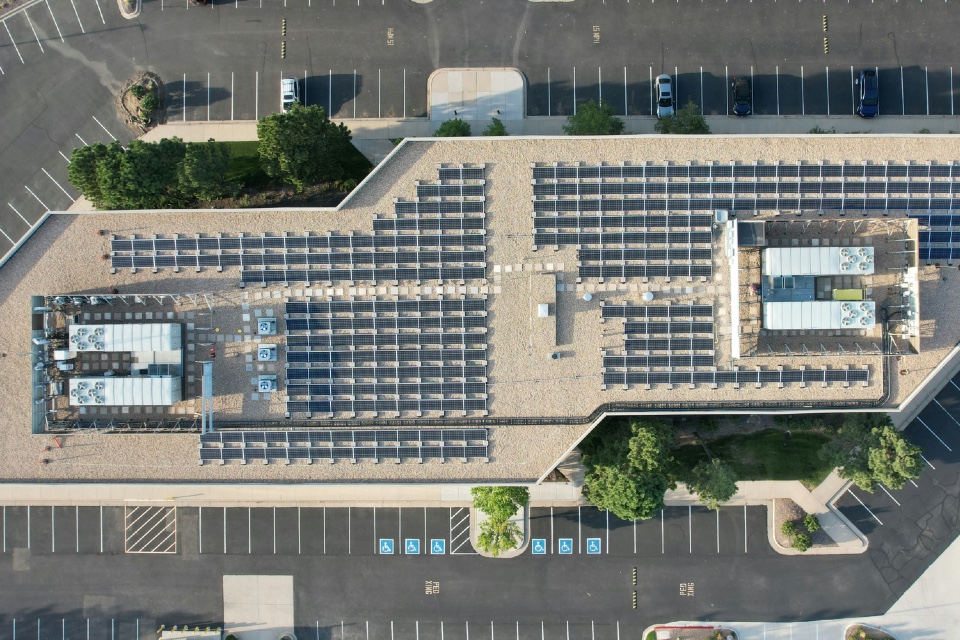
Solar PV installations have surged across UK education estates as panels become cheaper, more efficient and easier to integrate into existing infrastructure.
Benefits include:
- Immediate reduction in grid electricity consumption
- Predictable long-term energy costs
- Support for heat pump and electrification strategies
- Significant Scope 2 carbon reductions
For campuses with large roofs, open grounds or car parks, solar offers one of the fastest and most cost-effective routes to resilience. Many estates are reporting payback periods of 4–7 years, with even faster returns when combined with battery storage.
Solar Carports: Turning Parking into Energy Infrastructure
As EV adoption increases among staff, students and service vehicles, solar carports are becoming attractive dual-purpose assets. They provide:
- Renewable energy generation
- Shaded, weather-protected parking
- Integrated EV charging powered by on-site solar
- A visible statement of sustainability commitment
- For space-constrained campuses, carports enable renewable expansion without altering the building footprint.
Battery Storage: Unlocking the Full Value of Renewables
Battery energy storage systems (BESS) are the missing link that transforms solar from a daytime asset into a 24/7 resilience tool. Through battery integration, estates can:
- Store surplus solar for evening use
- Reduce peak-demand charges
- Maintain operations during grid instability
- Participate in flexibility services markets
- Achieve greater independence from future price shocks
As DNOs increasingly introduce time-of-use tariffs and flexibility incentives, storage gives FM teams the agility to shift demand intelligently.
Demand-Side Response: Turning Flexibility into Revenue
Many education estates already have flexible loads, such as HVAC systems, IT suites, and battery storage, that can be temporarily adjusted without impacting operations. Demand-side response programmes allow these sites to:
- Reduce consumption during peak stress on the grid
- Earn financial rewards for flexibility
- Support national energy stability
When combined with automation through the BMS or energy management platforms, DSR participation becomes seamless and low effort.
A Resilient Energy Strategy for the Future Campus
With operating budgets under pressure and decarbonisation deadlines drawing nearer, on-site renewables and storage are becoming fundamentals of modern estate management. FM leaders who build diversified, flexible energy systems today will safeguard their institutions against tomorrow’s volatility.
As we head into 2026, energy resilience is not just about reducing costs, it’s about ensuring continuity, sustainability and strategic control across the entire campus.
Are you searching for Energy Management solutions for your school, college or university? The Education Forum can help!
Photo by Emmanuel Appiah on Unsplash