



As education providers balance growing demand for space with constrained budgets, changing pupil needs and an increasing focus on inclusion, flexible estate planning is becoming more important than ever. We caught up with Jashan Bahad, Education Sector Manager at Portakabin, to discuss the growing demand for SEND provision, the role of modular construction in creating adaptable learning environments, how AI could influence procurement, and why listening remains at the heart of delivering the right spaces for schools and their communities…
Tell us about your company, products and services.
Portakabin has been at the forefront of modular construction for more than 60 years, and today we’re one of the UK’s leading modular construction companies. We design and manufacture buildings for a whole range of sectors, including manufacturing, construction, healthcare, public infrastructure commercial and, of course, education.
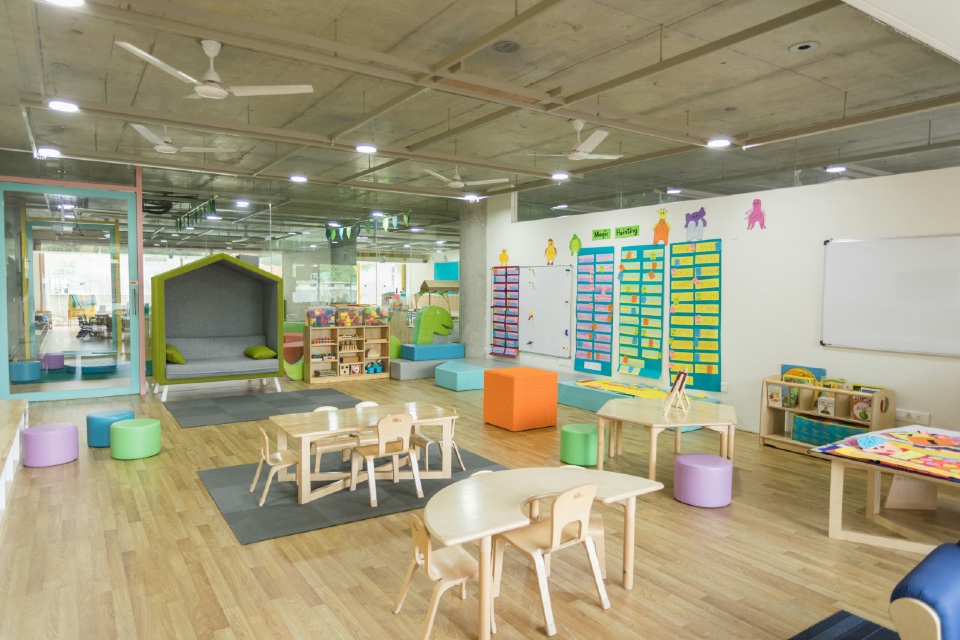
Education is a really important part of what we do. We create high-quality modular buildings for schools, from individual classrooms and SEND spaces, through to complete school buildings. We provide both temporary and permanent solutions, and can support schools throughout the entire project, from planning and groundworks right through to furniture and handover.
What have been the biggest challenges the Education Procurement industry has faced over the past 12 months?
One of the biggest challenges has been balancing growing demand with limited budgets. Schools need more space, particularly for SEND provision, but they also need high-quality solutions that can be delivered quickly, with minimal disruption to pupils and staff.
And what have been the biggest opportunities?
The increased focus on inclusion has created a real opportunity. We’re seeing growing investment in SEND provision, early years and further education, and that’s creating a real need for high-quality, flexible spaces. For Portakabin, it’s about helping schools respond to that demand and creating environments that can make a genuine difference to pupils, students and staff, whilst giving them the flexibility to adapt as their needs change
What is the biggest priority for the Education Procurement industry this year?
Making sure investment delivers the best possible outcomes. It is not simply about providing a building. It is about creating the right environment for the people who will use it. That means looking at quality, value and how well a solution meets the needs of pupils and staff, both now and in the future.
What are the main trends you are expecting to see in the market this year?
I expect to see more flexible estate planning, with a greater focus on inclusive design and more consideration of long-term value. Education providers need spaces that can adapt as pupil numbers and needs change.
What technology is going to have the biggest impact on the market this coming year?
AI will have a significant impact on procurement over the coming year. It can help organisations understand demand, analyse large amounts of information and make decisions more quickly and efficiently. I think we’ll see it increasingly used to identify trends, improve planning and help teams get better value from their investment. But ultimately, technology is a tool – strong relationships, experience and human judgement will remain incredibly important, especially when making decisions about schools and communities.
Next year we’ll all be talking about…?
How inclusion has become part of every decision, from the curriculum and school culture to procurement and the design of learning environments.
Which person in, or associated with, the Education Procurement industry would you most like to meet?
The Children’s Commissioner for England, Dame Rachel de Souza. I would love to hear more about what children and young people say they need from their learning environments and how we can reflect their voices more strongly in the spaces we create.
What’s the most surprising thing you’ve learnt about the Education Procurement sector?
How much one decision about space can influence. The right environment can affect how teachers teach, how pupils learn, wellbeing, staff retention and the experience of an entire school community. You’re helping to create an environment where people can thrive.
You go to the bar at the Education Forum – what’s your tipple of choice?
A glass of prosecco, once the networking is done!
What’s the most exciting thing about your job?
Seeing an initial conversation become a real space that improves someone’s experience of education.
And what’s the most challenging?
No two education settings are the same. The challenge is getting beneath the initial request to really understand what pupils, staff and the wider community need from the space.
What’s the best piece of advice you’ve ever been given?
Listen to understand, rather than simply waiting to respond. The best solutions usually begin with asking the right questions and actively listening to the answer.
Succession or Stranger Things?
Succession, for the drama rather than the leadership lessons!