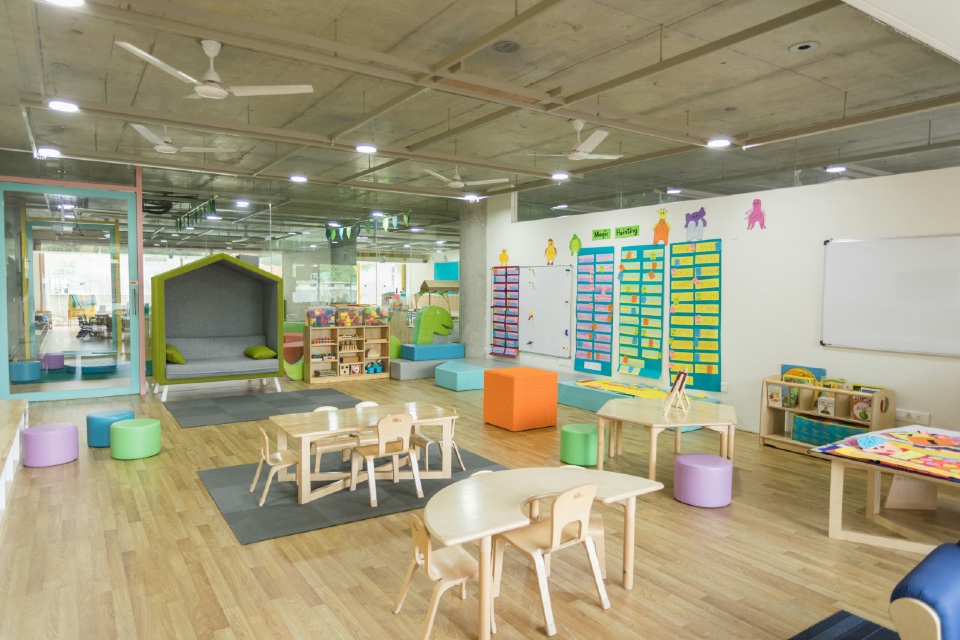



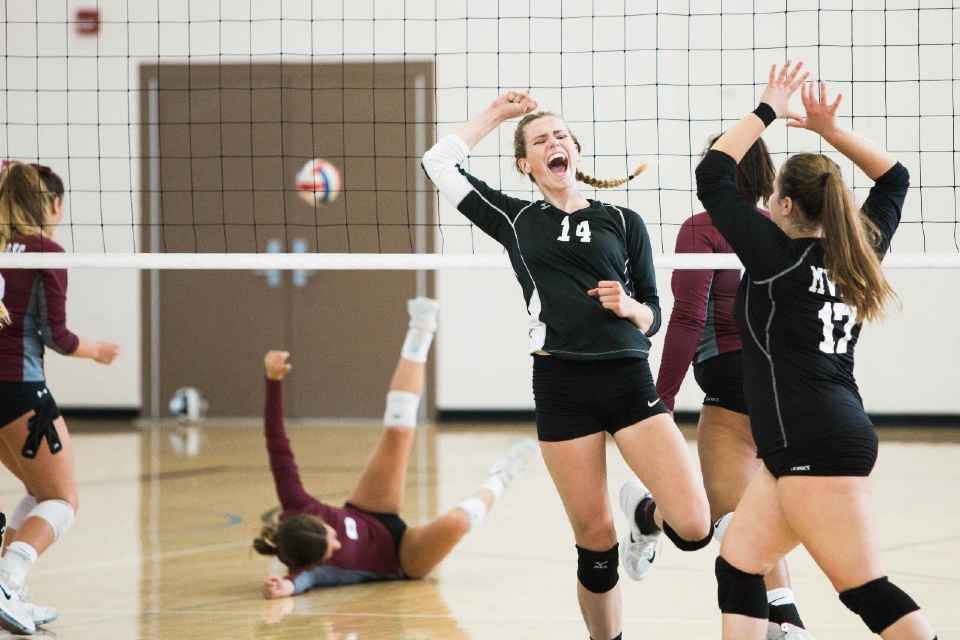
Schools do not always need a brand-new sports hall or major capital project to improve their PE and physical activity provision. For many schools, academies and Multi-Academy Trusts, the greater opportunity lies in making existing school sports facilities work harder.
A tired sports hall can potentially be revitalised through better flooring, court markings and equipment. Underused outdoor areas can become valuable activity spaces. Better storage can allow the same hall to switch between sports more quickly, while relatively modest accessibility improvements can enable a wider range of pupils to participate.
The Department for Education encourages schools to provide at least two hours of PE each week and improve equality of access to sport and physical activity. Making better use of the estate can play an important role in achieving those goals.
For education estates and procurement teams, the challenge is therefore to identify the changes that can produce the greatest improvement in participation and usability for the available budget.
Start with How the Facility Is Actually Used
Before deciding what to refurbish, schools should understand how their sports spaces currently operate.
Consider:
- Which activities take place?
- Which facilities are heavily used?
- Which spaces are underused?
- Where does lesson setup take too long?
- Which sports cannot currently be accommodated?
- Are pupils excluded by physical barriers?
- Which equipment is difficult to store?
- What creates complaints from teachers or users?
This can reveal problems that would not necessarily be solved by simply buying more equipment.
A sports hall might have adequate floor area, for example, but poor storage could mean bulky apparatus regularly restricts usable space.
An outdoor court might exist but receive limited use because its surface has deteriorated.
Facilities Principle
Start with the activity you want to enable, then identify what is preventing it.
The most valuable improvement may be very different from the most obvious capital project.
Make Sports Halls More Flexible
School sports halls often need to accommodate multiple activities throughout a single day.
A hall might move between:
Badminton → basketball → PE lesson → gymnastics → after-school club
The easier it is to reconfigure the space, the more useful the facility becomes.
Sport England’s sports hall guidance encourages flexible multi-sport spaces and highlights the relationship between design, specifications, programmes of use, operating budgets and sustainability.
Sport England – Sports Halls – https://www.sportengland.org/guidance-and-support/facilities-and-planning/design-and-cost-guidance/sports-halls
Potential upgrades could include:
- Revised court markings
- Retractable equipment
- Division nets
- Mobile goals
- Wall-mounted equipment
- Improved storage
- Replacement flooring
The aim should be to increase the number of activities the space can accommodate without making setup unnecessarily complicated.
Consider Sports Hall Flooring
The floor is one of the most important components of an indoor sports environment.
An ageing or inappropriate surface can affect:
- Grip
- Comfort
- Ball response
- Appearance
- Maintenance
- Suitability for different sports
Replacement is not always necessary.
Some existing floors may be capable of refurbishment, sanding, resealing or remarking.
SES Equipment Supplies, for example, provides both new multi-purpose sports flooring and refurbishment services for education and leisure environments, including court remarking and repairs.
SES – Sports Hall Refurbishment – https://www.sportsequipmentsupplies.com/product/sports-hall-refurbishment/
Sport England also provides dedicated guidance to help organisations select floors for different indoor sports and multi-sport environments.
Sport England – Sports Halls – https://www.sportengland.org/guidance-and-support/facilities-and-planning/design-and-cost-guidance/sports-halls
Buyer Tip
Before replacing an existing sports floor, establish whether it can be professionally refurbished.
Extending the life of a suitable surface may release budget for other improvements.
Update Court Markings to Reflect Current Use
Facilities can evolve while court layouts remain unchanged for years.
Schools should review whether markings still reflect the activities pupils actually undertake.
A refurbishment could potentially introduce markings for:
- Basketball
- Netball
- Badminton
- Volleyball
- Indoor football
- Pickleball
- Training activities
Too many overlapping lines, however, can make a hall confusing.
The objective should be a practical multi-sport layout rather than fitting every technically possible court onto the floor.
Sport England provides recommended sports hall and court dimensions alongside guidance developed with national governing bodies.
Sport England – https://www.sportengland.org/guidance-and-support/facilities-and-planning/design-and-cost-guidance/sports-halls
Better Storage Can Create Usable Space
Storage might not sound like a sports-facility upgrade.
In practice, it can have a considerable impact.
Poorly stored equipment can:
- Reduce available floor area
- Create trip hazards
- Increase lesson setup time
- Cause equipment damage
- Make stock difficult to find
Dedicated storage might include:
- Ball cages
- Mat trolleys
- Wall racks
- Cricket storage
- Mobile equipment units
- Basketball storage
SES provides dedicated sports hall storage solutions for education and leisure settings, including systems for balls, cricket equipment and mats.
SES – Sports Hall Storage – https://www.sportsequipmentsupplies.com/product-category/sports-hall-installations/sports-hall-storage/
Sport England’s own sports hall guidance also treats storage as part of effective facility design.
Operational Insight
An extra ten minutes spent moving and searching for equipment at the beginning and end of lessons can represent a significant amount of lost activity time across a school year.
Good storage increases usable time as well as usable space.
Repair Before Automatically Replacing Equipment
Existing fixed sports equipment may not necessarily need complete replacement.
During a sports hall refurbishment, schools can inspect:
- Basketball systems
- Cricket nets
- Divider curtains
- Protection netting
- Floor sockets
- Goal systems
SES notes that refurbishment projects can include servicing and remedial work on existing installations so budgets can be concentrated on equipment that genuinely requires replacement.
SES – https://www.sportsequipmentsupplies.com/product/sports-hall-refurbishment/
This whole-life approach can be particularly valuable where budgets are constrained.
For each asset, schools can ask:
Is it safe?
Does it still meet our needs?
Can it be repaired?
Would replacement materially improve provision?
Improve Outdoor Sports Facilities
Outdoor spaces can offer significant opportunities for schools that lack additional indoor capacity.
Potential facilities include:
- Natural turf pitches
- Multi-use games areas
- Hard courts
- Artificial surfaces
- Running areas
- Outdoor fitness areas
The condition of the surface can be crucial to usability.
Sport England provides specific guidance covering artificial surfaces and natural turf, including design, construction, maintenance and suitability for different sports.
Sport England – Outdoor Surfaces – https://www.sportengland.org/guidance-and-support/facilities-and-planning/design-and-cost-guidance/outdoor-surfaces
A worn outdoor space should therefore be assessed as a facility asset, not simply accepted as an inevitable constraint.
Improvements might include:
- Surface repair
- Drainage
- New markings
- Goals
- Basketball or netball systems
- Fencing
- Lighting
Create Multi-Use Outdoor Activity Areas
Not every outdoor sports project needs to be a full-size pitch.
A Multi-Use Games Area (MUGA) can enable several sports and activities within a relatively compact footprint.
Depending on its design, a MUGA might accommodate:
- Football
- Basketball
- Netball
- Tennis
- General PE
This can be particularly useful where schools need to maximise limited outdoor space.
Procurement Services currently operates a DfE-approved Playground, Fitness and Sports Equipment and Leisure Facilities framework covering products and services including MUGAs, multi-sport goals, surfaces, playground equipment and outdoor fitness equipment.
Procurement Services – Playground, Fitness & Sports Equipment Framework – https://www.procurementservices.co.uk/our-solutions/frameworks/education/playground-fitness-and-sports-equipment-and-leisure-facilities
This illustrates the breadth of options available to education buyers looking beyond traditional sports pitches.
Think Beyond Formal Competitive Sport
Sports facilities should support formal PE and competition, but physical activity does not have to take place only on marked courts and pitches.
Schools might create areas supporting:
- Fitness
- Movement
- Informal activity
- Climbing
- Outdoor play
- Small-sided games
- SEND provision
This can help facilities support pupils who may not naturally engage with traditional competitive sports.
The Department for Education’s school sport guidance emphasises equality of access to PE, extracurricular sport and competition.
DfE – School Sport and Activity Action Plan – https://www.gov.uk/government/publications/school-sport-and-activity-action-plan
Facilities planning can therefore consider different ways of being active, rather than simply increasing provision for the sports already offered.
Make Existing Sports Facilities More Inclusive
Accessibility is another area where relatively targeted improvements can make a considerable difference.
Sport England’s current Accessible and Inclusive Sports Facilities guidance is intended to help building owners and operators remove barriers to activity and support obligations under the Equality Act.
Sport England – Accessible and Inclusive Sports Facilities – https://www.sportengland.org/guidance-and-support/facilities-and-planning/design-and-cost-guidance/accessible-inclusive
Schools might review:
- Routes into the facility
- Doorways
- Changing provision
- Toilets
- Signage
- Seating
- Equipment
- Emergency evacuation
Some barriers may require substantial building work.
Others may be addressable through changes to equipment, layout or operating practice.
Inclusion Principle
Don’t ask only:
“Can pupils enter the facility?”
Ask:
“Can they participate meaningfully once they are there?”
Accessibility should extend to the activity itself.
Review Changing and Ancillary Spaces
Changing rooms, toilets, entrances and circulation areas can influence whether a sports facility feels usable and welcoming.
Problems might include:
- Poor privacy
- Limited accessibility
- Damaged fittings
- Inadequate showers
- Poor lighting
- Confusing signage
These areas may receive less attention than the sports hall or pitch, but they form part of the overall experience.
Sport England’s accessibility guidance includes specific consideration of changing and toilet provision, wayfinding and day-to-day facility operation.
Sport England – https://www.sportengland.org/guidance-and-support/facilities-and-planning/design-and-cost-guidance/accessible-inclusive
Facility audits should therefore look beyond the actual playing surface.
Protect the Building Fabric
Sports facilities can place unusual demands on buildings.
Balls can repeatedly strike:
- Walls
- Doors
- Windows
- Lighting
- Roof structures
School buildings may therefore require robust materials and protective solutions.
Britmet Tileform, for example, has documented work at Wellington School where repeated ball-game damage had contributed to ongoing roof repairs. A lightweight metal roofing solution was subsequently installed as part of the school’s roof refurbishment.
Britmet – Education Case Studies – https://www.britmet.co.uk/
For estates teams, this illustrates why the fabric surrounding sports areas needs to be considered alongside the equipment itself.
A component frequently exposed to impact may need a different specification from one in a conventional classroom environment.
Improve Lighting
Lighting affects:
- Visibility
- Safety
- Sports performance
- Energy use
- Facility availability
Indoor sports halls may have specialist lighting requirements, particularly for sports such as badminton where glare can create problems.
Outdoor lighting can extend the usable day, especially during winter.
Sport England provides design guidance for sports lighting alongside its wider facility documentation.
Sport England – Design and Cost Guidance – https://www.sportengland.org/guidance-and-support/facilities-and-planning/design-and-cost-guidance
Any upgrade should consider:
- Light level
- Uniformity
- Glare
- Controls
- Energy efficiency
- Maintenance
LED upgrades may also reduce energy and maintenance costs where older lighting remains in service.
Consider Community Use
School sports facilities can potentially support much wider community activity outside teaching hours.
The Government’s School Sport and Activity Action Plan specifically recognises the importance of helping schools make better use of their facilities.
DfE – School Sport and Activity Action Plan – https://www.gov.uk/government/publications/school-sport-and-activity-action-plan
Potential users might include:
- Sports clubs
- Community groups
- Holiday programmes
- Fitness classes
- Local leagues
Community use may provide additional social value and, in some circumstances, revenue.
But it can also increase:
- Wear
- Cleaning
- Staffing
- Maintenance
Facilities should therefore be designed and managed with the intended programme of use in mind.
Sport England’s sports hall guidance similarly stresses the relationship between facility design, programmes of use and operating budgets.
Calculate Lifecycle Cost, Not Just Refurbishment Cost
A facilities upgrade should not be evaluated solely on its upfront price.
Sport England distinguishes between capital costs and lifecycle costs, with the latter including major replacement, planned preventative maintenance and day-to-day repair.
Sport England – Facility Cost Guidance – https://www.sportengland.org/guidance-and-support/facilities-and-planning/design-and-cost-guidance/facility-cost-guidance
For schools, this means comparing:
Purchase + installation + maintenance + repair + eventual replacement
A cheaper surface that requires frequent repairs may ultimately be less economical than a more durable alternative.
The same principle applies to:
- Flooring
- Goals
- Nets
- Lighting
- Storage
- Building fabric
Estates Principle
A sports facility is not finished when the contractor leaves.
The real cost begins with installation and continues for the entire period the school operates it.
Prioritise Improvements by Impact
Schools may identify many desirable upgrades without having enough budget to deliver everything immediately.
A prioritisation model can help.
Consider four factors:
Safety
Does the condition create a risk requiring urgent action?
Participation
Will the improvement enable significantly more pupils to participate?
Utilisation
Will it allow an existing space to be used more frequently?
Lifecycle value
Will it reduce maintenance or replacement requirements?
A new scoreboard might be desirable.
Repairing a damaged playing surface may deliver substantially greater educational value.
Use a Phased Improvement Plan
Sports facility improvement does not necessarily need to happen through one large capital project.
A school could develop a phased programme.
Phase 1: Safety and repairs
Phase 2: Flooring and markings
Phase 3: Storage and equipment
Phase 4: Outdoor provision
Phase 5: Lighting and wider facility improvements
This can help schools distribute costs while maintaining an overall strategy.
For MATs, the same approach can be applied across several schools, prioritising sites according to condition and need.
Procurement Routes for Sports Facility Improvements
The procurement process will depend on the scale and nature of the work.
Projects might range from purchasing mobile equipment through to complete sports-hall refurbishment.
Procurement Services’ DfE-approved Playground, Fitness and Sports Equipment and Leisure Facilities framework covers both goods and end-to-end services across areas including indoor/outdoor playgrounds, gym equipment and surfaces, MUGAs and wider leisure provision. Its current framework runs from March 2024 to February 2028.
Procurement Services – https://www.procurementservices.co.uk/our-solutions/frameworks/education/playground-fitness-and-sports-equipment-and-leisure-facilities
Using an appropriate framework can help education buyers access pre-procured routes to market while still ensuring individual projects are properly specified.
Questions to Ask Before Upgrading School Sports Facilities
- Which facilities are currently most heavily used?
- Which spaces are underused, and why?
- What activities do we want to provide that we cannot currently accommodate?
- Can existing flooring be refurbished rather than replaced?
- Do court markings reflect current sports provision?
- Is poor storage reducing usable space?
- Can existing fixed equipment be repaired?
- Are outdoor surfaces limiting year-round activity?
- Could a multi-use space provide more value than a single-sport facility?
- Are there accessibility barriers?
- Do changing and ancillary areas require improvement?
- Is lighting suitable and efficient?
- Does the building fabric withstand the demands of sports use?
- Could facilities support greater community use?
- What ongoing maintenance will each proposed upgrade require?
- Which improvements would generate the largest increase in participation?
- Can the programme be delivered in phases?
- Which procurement route is most appropriate?
Frequently Asked Questions
How can schools improve sports facilities without building a new sports hall?
Potential improvements include refurbishing flooring, revising court markings, repairing existing sports equipment, improving storage, upgrading lighting and making better use of outdoor spaces.
Can an old sports hall floor be refurbished?
Potentially. Suitable surfaces may be repairable, sanded, resealed or remarked, although specialist inspection is needed to determine whether refurbishment or replacement is appropriate.
Why is sports equipment storage important?
Good storage protects equipment, reduces safety risks and can increase both usable floor space and lesson time by making equipment quicker to access and put away.
How can school sports facilities be made more inclusive?
Schools can review physical access, changing provision, signage, equipment, layouts and operating practices to identify barriers preventing pupils from participating.
What is a MUGA?
A Multi-Use Games Area is an outdoor sports space designed to support several activities, potentially including football, basketball, netball and tennis.
Should schools consider community use when upgrading sports facilities?
Yes, where appropriate. Community use can increase utilisation and potentially generate income, but schools should also account for staffing, maintenance, cleaning and additional wear.
What are lifecycle costs for sports facilities?
Lifecycle costs include expenditure required to keep the facility operational over time, such as planned maintenance, repairs and major replacement.
Product Guide
Improving existing school sports facilities can involve specialist sports equipment, refurbishment, building infrastructure and procurement support. The following providers operate across different parts of that improvement journey, and you can meet with them at the Education Forum:
Featured Suppliers
SES Equipment Supplies
Specialist sports equipment and facilities provider supporting schools, academies, universities and leisure environments. Alongside sports and PE equipment, SES provides sports hall refurbishment, flooring, court markings, fixed equipment, storage, servicing and remedial works, allowing schools to upgrade existing facilities as a coordinated project rather than simply replace individual products as they fail.
Website: https://www.sportsequipmentsupplies.com/
Britmet Tileform Ltd
UK manufacturer of lightweight roofing systems with experience across education refurbishment projects. For sports and activity environments, robust building fabric can be particularly important where roofs and surrounding structures are vulnerable to impact and wear associated with intensive school use. Britmet’s education projects include refurbishment solutions designed around durability, low weight and installation within restricted school programmes.
Website: https://www.britmet.co.uk/
Procurement Services
Public-sector procurement specialist providing DfE-approved frameworks for schools. Its Playground, Fitness and Sports Equipment and Leisure Facilities framework covers equipment and end-to-end services across playgrounds, gym environments, surfaces, MUGAs and wider sports and activity facilities, providing education buyers with a structured route to relevant suppliers.
Website: https://www.procurementservices.co.uk/
Get More from Existing School Sports Facilities
Improving school sports provision does not necessarily require creating more space.
Sometimes the opportunity is to make existing space more useful.
A refurbished floor can enable more sports. Better storage can increase teaching time. Improved outdoor surfaces can extend provision throughout the year. Inclusive equipment and facility changes can allow more pupils to participate.
Taken together, relatively targeted improvements can transform how effectively a school uses its existing estate.
The strongest investment plans therefore begin by identifying the barriers currently preventing participation and then prioritising the improvements that will have the greatest practical impact.
The Education Forum connects senior education procurement, estates and facilities professionals with carefully selected providers of sports equipment, facilities and associated services through a programme of pre-arranged one-to-one meetings.
Explore school sports facility solutions, compare specialist providers and discover practical ways to create more flexible, accessible and effective environments for PE, sport and physical activity.
Related Reading
This article follows our earlier guide to School Sports Equipment: Choosing Equipment and Suppliers, which explores equipment procurement, safety, accessibility, storage, maintenance and whole-life value.
Sources
- Department for Education – PE and Sports in Schools – https://www.gov.uk/government/publications/pe-and-sports-in-schools
- Department for Education – School Sport and Activity Action Plan – https://www.gov.uk/government/publications/school-sport-and-activity-action-plan
- Sport England – Design and Cost Guidance – https://www.sportengland.org/guidance-and-support/facilities-and-planning/design-and-cost-guidance
- Sport England – Sports Halls – https://www.sportengland.org/guidance-and-support/facilities-and-planning/design-and-cost-guidance/sports-halls
- Sport England – Outdoor Surfaces – https://www.sportengland.org/guidance-and-support/facilities-and-planning/design-and-cost-guidance/outdoor-surfaces
- Sport England – Accessible and Inclusive Sports Facilities – https://www.sportengland.org/guidance-and-support/facilities-and-planning/design-and-cost-guidance/accessible-inclusive
- Sport England – Facility Cost Guidance – https://www.sportengland.org/guidance-and-support/facilities-and-planning/design-and-cost-guidance/facility-cost-guidance
- SES Equipment Supplies – Sports Hall Refurbishment – https://www.sportsequipmentsupplies.com/product/sports-hall-refurbishment/
- SES Equipment Supplies – Sports Hall Storage – https://www.sportsequipmentsupplies.com/product-category/sports-hall-installations/sports-hall-storage/
- Britmet Tileform – https://www.britmet.co.uk/
- Procurement Services – Playground, Fitness and Sports Equipment and Leisure Facilities – https://www.procurementservices.co.uk/our-solutions/frameworks/education/playground-fitness-and-sports-equipment-and-leisure-facilities
Image credit: https://unsplash.com/photos/women-playing-volleyball-inside-court-aZVpxRydiJk