


As the role of sport and physical activity in education evolves, so too must the equipment and environments that support it. For today’s schools, colleges, and universities, inclusivity is a core requirement. Facilities and estates procurement teams play a pivotal role in this agenda, with decisions around inclusive sports equipment helping to shape who can participate, how activities are delivered, and whether every student feels supported and represented.
Inclusive sport requires a holistic approach to sourcing equipment and designing spaces that accommodate a diverse student body, including pupils with special educational needs and disabilities (SEND), neurodiverse students, and those who may not feel comfortable in traditional PE settings.
Choosing Equipment That Removes Barriers to Participation
Adaptive and accessible equipment is becoming increasingly available, and procurement teams should actively engage with specialist suppliers to support a wider range of needs. Simple changes can make a significant difference to participation, including:
- Tactile balls and audible sports equipment to support visually impaired students
- Height-adjustable basketball hoops and nets to accommodate different abilities and ages
- Wheelchair-accessible gym equipment to enable more students to take part in fitness activities
- Colour-coded floor markings and visual aids to support students with sensory or cognitive needs
By considering accessibility during the procurement process, schools and universities can create sporting environments where more students feel confident getting involved.
Creating Flexible Spaces for Different Activities
Equipment choice is only one part of inclusive sport. The way spaces are designed and managed also influences participation.
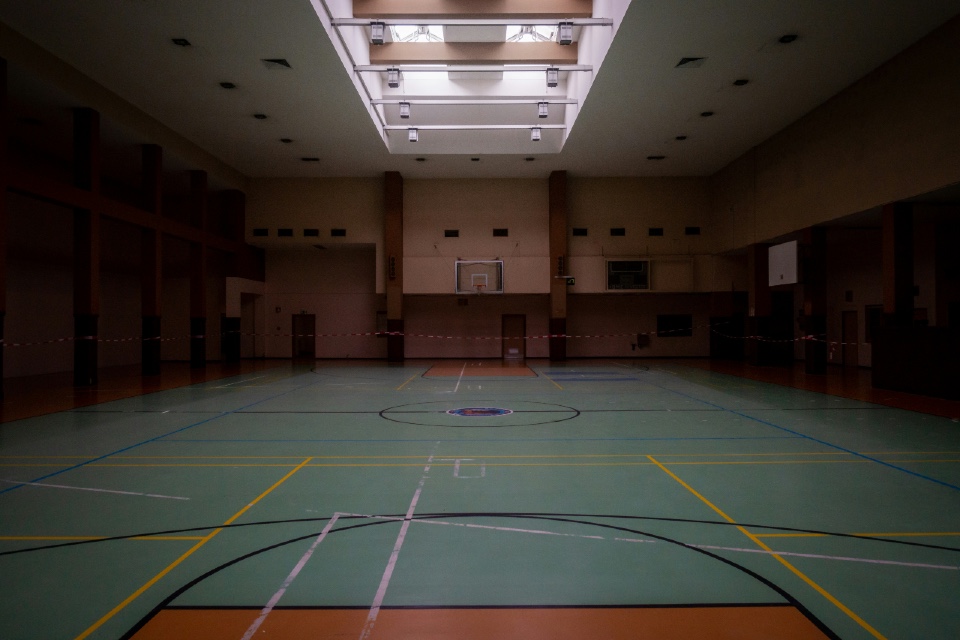
Multi-use sports halls that are flexible, clearly zoned, and equipped with mobile or retractable equipment allow staff to adapt activities for different groups. Portable solutions such as adjustable hurdles, mobile target boards, and balance equipment enable PE teams to create varied sessions without requiring major changes to facilities.
This flexibility also helps schools support different learning styles, from competitive team sports to smaller, confidence-building activities.
Supporting Wider Student Wellbeing
Inclusive procurement should also consider students who may feel excluded from traditional PE due to confidence, culture, gender identity, or body image concerns.
Investing in equipment for alternative activities, such as yoga mats, dance fitness resources, resistance equipment, and outdoor activity circuits, allows schools to offer a broader range of ways for students to engage with movement and wellbeing.
Involving Staff and Students in Procurement Decisions
The most effective procurement decisions come from understanding the needs of those who will use the equipment. Involving PE teachers, SEN coordinators, wellbeing teams, and student representatives can help identify gaps and prioritise investments that have the greatest impact.
Many education providers are also reviewing equipment usage and participation data to understand which activities are most accessible and where improvements can be made.
Balancing Inclusion With Sustainability
Sustainability is becoming an increasingly important consideration in sports procurement. Many manufacturers now offer equipment made from recycled materials, alongside repair services and take-back schemes that extend product lifecycles.
By considering accessibility and environmental impact together, education institutions can make purchases that support both inclusion and wider ESG commitments.
Making Sport More Accessible for Everyone
Embedding inclusivity into sports procurement frameworks allows facilities and estates teams to create environments where more students can participate, build confidence, and enjoy the benefits of physical activity.
By selecting adaptable equipment, designing flexible spaces, and involving the wider education community in decision-making, schools, colleges, and universities can ensure sport is something that welcomes everyone.
Are you searching for sports equipment and facilities for your institution? The Education Forum can help!
Photo by Patrick Schöpflin on Unsplash