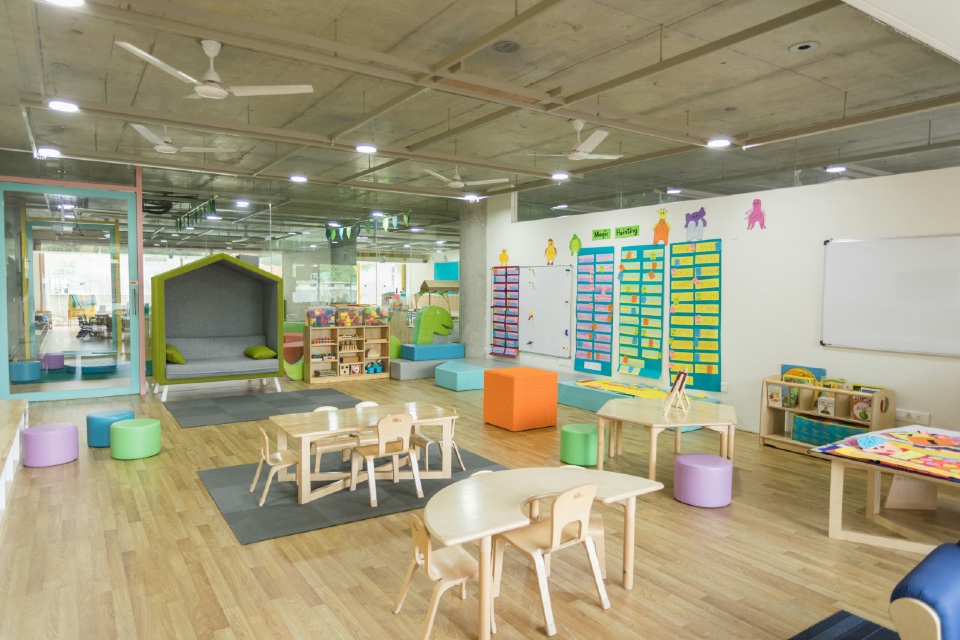



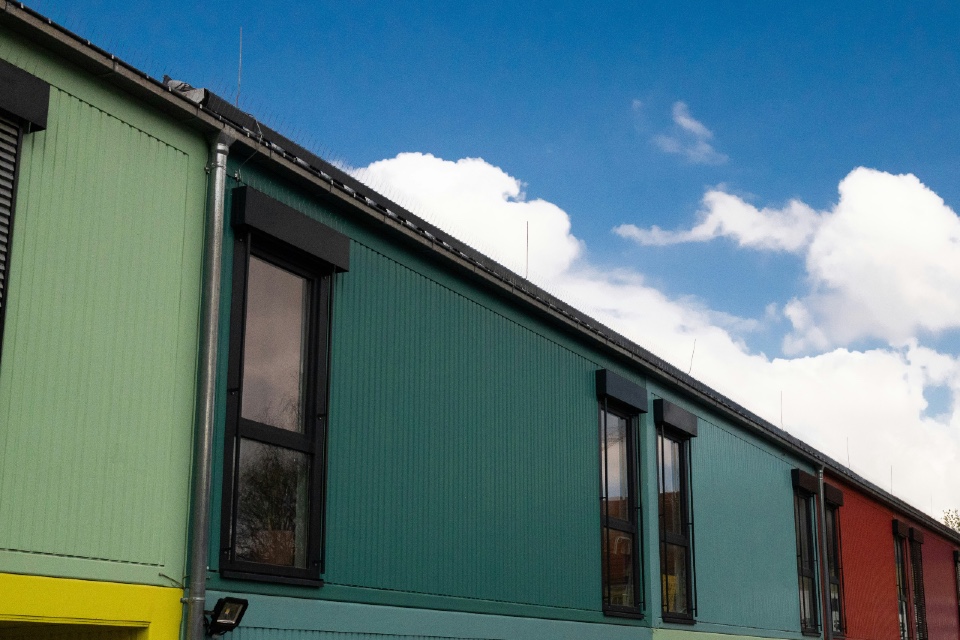
Schools across the UK are under increasing pressure to create high-quality teaching spaces while balancing constrained budgets, changing pupil numbers and ambitious sustainability targets. Whether responding to rising enrolment, replacing ageing buildings or creating specialist learning environments, many education providers are considering modular classrooms as an alternative to traditional construction.
Modern modular buildings have evolved considerably over the past decade. Today’s permanent modular classrooms can offer the same levels of comfort, energy efficiency and longevity as conventionally constructed school buildings, while often being delivered more quickly and with less disruption to pupils and staff. The Department for Education (DfE) has also highlighted Modern Methods of Construction (MMC) as an important part of delivering high-quality educational estates more efficiently.¹
This guide compares modular classrooms, portable classrooms and prefabricated school buildings, explores typical costs and delivery models, and highlights the questions buyers should ask before selecting a supplier.
At a Glance: Modular Classroom Comparison
| Consideration | What to Compare |
|---|---|
| Building type | Permanent modular, portable or temporary accommodation |
| Delivery | Design, manufacture, installation and commissioning |
| Planning | Planning permission and Building Regulations |
| Cost | Capital cost, lifecycle cost and maintenance |
| Energy performance | Insulation, ventilation and operational efficiency |
| Flexibility | Future expansion, relocation or reconfiguration |
| Warranties | Structural guarantees and maintenance support |
| Accessibility | Equality Act compliance and inclusive design |
What Is a Modular Classroom?
A modular classroom is a school building that is manufactured in sections within a controlled factory environment before being transported to site and assembled.
Unlike traditional construction, much of the building work is completed off-site. Foundations and site preparation can often take place while the classroom is being manufactured, helping to reduce overall project timescales.
Today’s modular classroom buildings can be designed as:
- Single classrooms
- Multi-classroom teaching blocks
- Science laboratories
- SEND learning spaces
- Sixth form centres
- Administration buildings
- Dining facilities
- Libraries
Many are intended as permanent buildings with design lives comparable to traditionally constructed schools.
Modular Classrooms, Portable Classrooms or Prefab Classrooms?
These terms are often used interchangeably, but they can describe different types of building.
Modular classroom buildings
Permanent modular classrooms are designed to meet current Building Regulations and are often indistinguishable from traditionally constructed buildings once completed.
They are particularly suitable for schools planning long-term estate investment, expansion projects or replacement accommodation. Because modules are manufactured under controlled factory conditions, build quality can be more consistent while weather-related delays are reduced.
Portable classrooms
Portable or mobile classrooms are generally intended for shorter-term use.
They can provide valuable additional capacity during refurbishment projects, temporary increases in pupil numbers or emergency accommodation requirements. Depending on specification, some portable buildings can remain in service for many years, although they may offer fewer opportunities for future expansion than permanent modular solutions.
Prefab classrooms
The term “prefab classroom” is often used broadly to describe buildings manufactured off-site.
In practice, most modern prefab classrooms use modular construction techniques, with significant improvements in insulation, acoustic performance and environmental efficiency compared with prefabricated school buildings installed several decades ago.
Why Schools Are Choosing Modular Construction
The appeal of modular classrooms extends beyond faster delivery. Many academy trusts, local authorities and independent schools are looking for solutions that support long-term estate strategies while minimising disruption to teaching.
Key drivers include expanding pupil numbers, ageing school estates, evolving curriculum requirements and the need to improve environmental performance.
Modern Methods of Construction can also reduce waste generated during construction and improve quality control through factory-based manufacturing processes.²
Education Estates Insight
A modular classroom should be viewed as part of a school’s wider estate strategy rather than simply a way to create additional space quickly. Consider how the building could support future curriculum changes, SEND provision or expansion over the next 15 to 25 years.
Modular Classrooms Cost
One of the most common questions schools ask is: how much does a modular classroom cost?
The answer depends on numerous factors, including:
- Building size
- Internal specification
- Number of modules
- Ground conditions
- Site access
- External works
- Mechanical and electrical services
- Furniture and ICT
- Sustainability requirements
Rather than focusing solely on capital cost, buyers should consider whole-life value.
A more energy-efficient classroom may reduce operational costs throughout its lifespan, while higher-quality materials can lower maintenance requirements and extend the building’s useful life.
When requesting quotations, schools should establish whether proposals include:
- Design fees
- Planning support
- Foundations
- Drainage
- Utility connections
- Landscaping
- Internal fit-out
- ICT infrastructure
- Furniture
- Decoration
- Ongoing maintenance
Without this clarity, comparing supplier quotations can become difficult.
Buyer Tip
Ask suppliers for a fully itemised quotation rather than a headline project price. Groundworks, utility connections and external landscaping can represent a significant proportion of the total project cost.
Planning Permission and Delivery Times
Delivery speed is often one of modular construction’s greatest advantages.
Because manufacturing and site preparation frequently happen simultaneously, projects can often be completed more quickly than traditional construction.
However, delivery programmes still depend upon:
- Planning requirements
- Site surveys
- Ground conditions
- Utility works
- Weather during installation
- School holiday working
- Internal fit-out
Schools should engage suppliers early to understand realistic project timelines.
Planning permission requirements will vary depending on the nature of the project, location and whether permitted development rights apply. Schools should seek professional advice where appropriate and consult local planning authorities at an early stage.
Energy Performance and Sustainability
Environmental performance is becoming increasingly important for education estates.
Many schools are seeking buildings that reduce operational costs while contributing towards wider sustainability objectives.
Modern modular classrooms may include:
- High-performance insulation
- Triple glazing
- Air source heat pumps
- Solar photovoltaic panels
- LED lighting
- Mechanical ventilation with heat recovery
- Smart building controls
Operational energy efficiency should be assessed alongside embodied carbon and future maintenance requirements.
The DfE’s Sustainability and Climate Change Strategy also encourages schools to improve energy efficiency and reduce carbon emissions across their estates.³
Rather than simply asking whether a classroom meets current regulations, buyers should explore how the building may perform throughout its operational life.
Designing Flexible Learning Spaces
A modular building should support modern teaching approaches rather than simply providing additional floor space.
Schools increasingly require learning environments that can evolve alongside changing educational priorities.
Features worth considering include:
- Movable partitions
- Breakout spaces
- Inclusive learning environments
- Specialist teaching areas
- Future expansion capability
- Outdoor learning connections
- Natural daylight
- Acoustic performance
- Flexible furniture layouts
Design flexibility may allow buildings to accommodate different year groups or curriculum requirements without extensive refurbishment.
Accessibility and Inclusive Design
Every new teaching environment should support inclusive education.
Beyond compliance with the Equality Act 2010, schools should consider how classrooms accommodate pupils with differing physical, sensory and cognitive needs.
Questions may include:
- Are entrances step-free?
- Is circulation space sufficient?
- Can specialist equipment be accommodated?
- Is lighting suitable for neurodiverse learners?
- Does acoustic performance support speech intelligibility?
- Are accessible toilet facilities included?
Inclusive design should be considered from the earliest stages of planning rather than added later.
Warranties, Maintenance and Long-Term Value
Although initial project cost is important, ongoing maintenance will influence the building’s overall value.
Buyers should compare:
- Structural warranties
- Manufacturer guarantees
- Planned maintenance
- Replacement components
- Building management systems
- Energy monitoring
- Technical support
- Lifecycle expectations
Understanding the supplier’s aftercare arrangements is just as important as comparing the initial specification.
What Should Buyers Compare?
No two modular classroom projects are identical. Before selecting a supplier, schools should compare how each proposal supports both immediate requirements and long-term estate objectives.
Areas worth evaluating include:
- Educational suitability rather than simply floor area
- Whole-life operating costs alongside capital expenditure
- Energy efficiency and carbon performance
- Flexibility for future expansion
- Delivery programme realism
- Previous education-sector experience
- Warranty and maintenance provision
- Compliance with current regulations
- Quality assurance processes
Choosing the lowest initial price may not always provide the best long-term value.
Questions to Ask Potential Suppliers
Selecting a modular classroom provider is a significant investment. Consider asking:
- Is the building designed for permanent or temporary use?
- What is included within the quoted project cost?
- How long is the expected project programme?
- Will planning support be provided?
- What sustainability features are included as standard?
- What structural warranties are offered?
- How will disruption to the school be minimised?
- Can the building be expanded in future?
- What maintenance support is available?
- Can you provide education-sector case studies?
Future Trends
Modular construction continues to evolve rapidly. Growing demand for low-carbon buildings, digital construction methods and flexible learning environments is likely to shape future education projects. Areas expected to receive greater attention include:
- Net zero school buildings
- Smart building management
- Circular construction principles
- Standardised modular components
- Low-carbon materials
- Greater off-site manufacturing
- Improved building performance monitoring
As these technologies mature, modular classrooms are increasingly being viewed as a permanent strategic solution rather than temporary accommodation.
Frequently Asked Questions
What is a modular classroom?
A modular classroom is a building manufactured largely off-site before being transported to a school for installation.
Are modular classrooms permanent?
Many modern modular classroom buildings are designed for permanent use and can offer performance comparable to traditional construction.
How much does a modular classroom cost?
Project costs vary according to size, specification, site conditions and external works. Buyers should compare total project costs rather than headline prices alone.
Do modular classrooms require planning permission?
Requirements vary depending on the project and local authority. Schools should seek professional planning advice during the early stages of a project.
Are modular classrooms energy efficient?
Modern buildings can achieve high levels of thermal performance and may incorporate low-carbon technologies such as heat pumps and solar panels.
Product Guide
The following organisations provide modular classroom, buildings and furniture solutions that help schools, colleges and universities create engaging learning environments. Education leaders can also meet many of these suppliers at the Education Forum, where buyers can discuss projects, compare technologies and identify trusted partners through pre-arranged one-to-one meetings.
Featured Suppliers
SICO Europe – Manufacturer of flexible education furniture including folding tables, seating and space-saving solutions for schools and colleges.
Website: https://www.sicoinc.com/en-gb/europe/
3BM Ltd – Education procurement and facilities specialists supporting schools with estates, compliance and capital improvement projects.
Website: www.3bm.co.uk
Brewers – Supplier of paints, coatings and specialist decorating products, with solutions suitable for educational environments and furniture refurbishment.
Website: www.brewers.co.uk
Britmet – Manufacturer of lightweight roofing systems suitable for educational buildings, outdoor structures and modular learning environments.
Website: https://www.britmet.co.uk/
Grosvenor Contracts – Commercial furniture specialist providing education furniture for classrooms, libraries, dining areas and collaborative learning spaces.
Website: www.grosvenorcontracts.com
Hartland Group – Design, construction and fit-out specialists supporting education estates and learning environment projects.
Website: www.hartland-group.com
Explore Modular Classroom Suppliers
Whether you’re expanding capacity, replacing ageing buildings or planning a long-term estates strategy, selecting the right modular classroom partner is critical to project success.
The Education Forum connects senior education leaders, estates professionals and procurement teams with trusted suppliers through a programme of pre-arranged one-to-one meetings.
Explore modular classroom suppliers, discuss upcoming projects and discover solutions designed to create flexible, sustainable learning environments.
Related Reading
Schools considering modular buildings may also find these Education Briefing articles useful:
- Creating Space Month: The Growing Role of Modular and Flexible Learning Spaces
- Case Study: How Pickerings Delivered Modular Classrooms in Waltham Forest
- Creating Space Month: Embracing Hybrid Models and Collaborative Classrooms
Sources
- UK Government – Modern Methods of Construction (MMC) Framework (GOV.UK): https://www.gov.uk/government/publications/offsite-construction-framework-modern-methods-of-construction/modern-methods-of-construction-mmc1
- Department for Education – Construction Frameworks and Modern Methods of Construction: https://www.gov.uk/government/organisations/department-for-education
- Department for Education – Sustainability and Climate Change Strategy: https://www.gov.uk/government/publications/sustainability-and-climate-change-strategy
Photo by Egor Zhdiarskii on Unsplash