


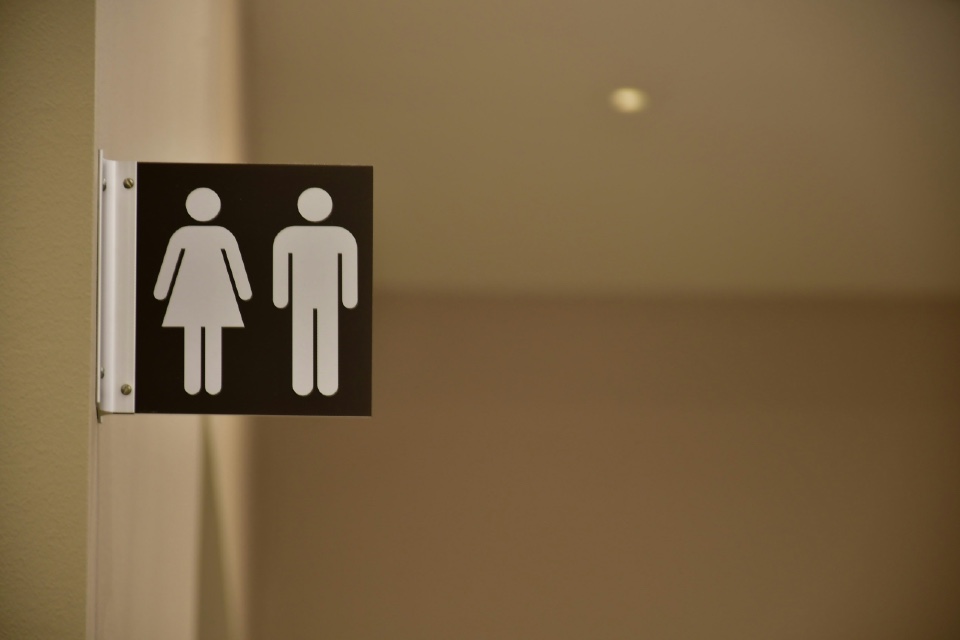
In secondary schools, maintaining high standards across secondary school washrooms, toilets and changing areas is increasingly viewed as essential for safeguarding student wellbeing and attendance. The expectations on estates and FM teams are rising, driven by greater awareness of hygiene standards, increased focus on student experience, and the practical challenges of managing high-footfall spaces with limited time and resources. By implementing effective hygiene solutions and practical improvements, schools can create cleaner, safer and more comfortable environments for students and staff.
Why Secondary School Washrooms Face a Unique Challenge
Secondary environments bring specific pressures: larger student populations, heavy usage between lessons, and increased risks around vandalism, anti-social behaviour and privacy concerns. When washroom facilities are poorly maintained, the impact can quickly extend beyond cleanliness. Students may avoid using facilities, hygiene standards can decline further, and staff time can be diverted into reactive repairs and supervision.
Effective hygiene management begins with recognising washrooms and changing areas as important student spaces rather than secondary facilities. This approach encourages schools to invest in better cleaning strategies, reliable maintenance processes and solutions that support a positive student experience.
Choosing Durable and Easy-to-Maintain Hygiene Solutions
The most effective secondary schools prioritise reliability when selecting washroom equipment and facilities. Products should be designed to withstand daily use, remain easy to clean and minimise disruption when repairs are required.
Practical improvements can include:
- Anti-vandal fixtures and fittings: Robust taps, dispensers and cubicle hardware help reduce damage and extend the lifespan of facilities.
- Easy-clean surfaces: Durable, hygienic finishes make cleaning more efficient and help maintain higher standards throughout the day.
- Reliable dispensers: Protected soap, paper and sanitary product dispensers prevent shortages and encourage good hygiene habits.
- Standardised consumables: Using consistent products across the site simplifies stock management and reduces the risk of running out of essential supplies.
Investing in quality solutions can reduce long-term maintenance costs while ensuring washrooms remain functional and welcoming.
Creating Cleaning Strategies That Match Student Usage
Traditional fixed cleaning schedules do not always reflect how secondary school washrooms are used. Usage peaks at predictable times, particularly between lessons, during breaks and at lunchtime, creating periods where hygiene standards can quickly decline.
A more effective approach is a responsive cleaning model that combines routine servicing with targeted checks during busy periods. This may include:
- Quick inspections during break and lunchtime
- Regular replenishment of soap, paper and hygiene products
- Deeper cleaning during quieter periods
- Digital reporting systems to identify recurring issues
Using reporting tools such as cleaning checklists, QR codes or facilities management platforms allows teams to respond quickly and identify areas requiring additional attention.
Supporting Student Wellbeing Through Better Facilities
Clean and well-maintained washrooms contribute directly to student wellbeing. Facilities that are unpleasant, poorly stocked or damaged can affect students’ confidence and comfort during the school day.
Creating positive hygiene standards involves more than cleaning alone. Schools should consider:
- Clear expectations around respectful use of facilities
- Easy ways for students to report problems
- Visible responses when issues are raised
- Accessible hygiene provisions that support all students
When students see that facilities are cared for and their concerns are addressed, it helps build a stronger culture of responsibility.
Balancing Privacy, Safety and Safeguarding
Washrooms and changing areas require careful management because they are private spaces where safeguarding remains a priority. The aim is to create safe environments while maintaining student dignity.
Practical measures can include:
- Improved lighting around entrances and surrounding areas
- Clear visibility around access points
- Appropriate supervision strategies during high-risk periods
- Secure, well-maintained fixtures that discourage damage
These improvements help reduce risks without compromising students’ privacy.
Measuring Hygiene Performance
The most effective estates teams monitor hygiene standards through measurable outcomes rather than relying solely on visual inspections. Useful indicators include:
- Facility downtime
- Cleaning completion rates
- Consumable availability
- Maintenance requests
- Student feedback
By tracking performance, schools can identify trends, improve their approach and ensure hygiene remains a consistent priority.
Creating Healthier Secondary School Environments
Secondary school washrooms play an important role in creating safe, respectful and supportive learning environments. Through durable equipment, responsive cleaning strategies and a focus on student wellbeing, estates and FM teams can improve hygiene standards while reducing maintenance pressures.
Investing in effective hygiene solutions is not simply about cleanliness; it is about creating facilities that help students feel comfortable, valued and able to focus on learning.
Are you searching for hygiene solutions for your school, college or university? The Education Forum can help!
Photo by Serenity Mitchell on Unsplash