



School estates leaders attending the Education Forum are under pressure to make every square metre work harder. Rising pupil numbers in some areas, tightening budgets, and increasing expectations around community engagement are forcing a rethink of how campus space is used. When considering how can schools maximise space, more institutions are exploring shared estate models, such as partnering with health providers, local authorities, and community organisations, to improve utilisation and unlock additional value from existing facilities.
Co-Location as a Strategic Solution
Co-location is gaining traction, particularly in areas where public services are under strain. Schools are increasingly hosting:
- School-based health clinics or mental health services.
- Local authority family support teams.
- Early years provision.
- Community learning programmes.
For education procurement and estates professionals, co-location can provide financial resilience through shared costs, rental income, or capital contributions, while improving access to essential services for families.
However, successful co-location requires clear responsibilities and robust planning. Shared spaces must meet safeguarding requirements, and access arrangements must protect pupils during the school day.
Expanding Community Use Beyond the School Day
Many schools already open sports halls, theatres, and classrooms beyond normal teaching hours. This approach is becoming more structured, with facilities increasingly managed through formal agreements, either directly by schools, via academy trust central teams, or through third-party leisure operators.
When managed effectively, out-of-hours community use can:
- Generate additional revenue.
- Improve estate utilisation.
- Strengthen community relationships.
- Support health and wellbeing initiatives.
The key challenge lies in balancing income generation with considerations such as wear and tear, cleaning costs, maintenance requirements, and security risks.
Governance and Risk Management for Shared Spaces
Shared estate models introduce additional complexity, making effective governance essential. Schools must consider:
- Safeguarding boundaries and supervision.
- Insurance and liability requirements.
- Maintenance responsibilities.
- Access control and security.
- Scheduling and booking management.
Forward-thinking schools are formalising governance through clear service-level agreements, defined escalation routes, and transparent financial models. Estates and procurement teams play a central role in ensuring partnerships protect the school’s operational integrity while delivering additional value.
Designing Flexible Spaces for Long-Term Use
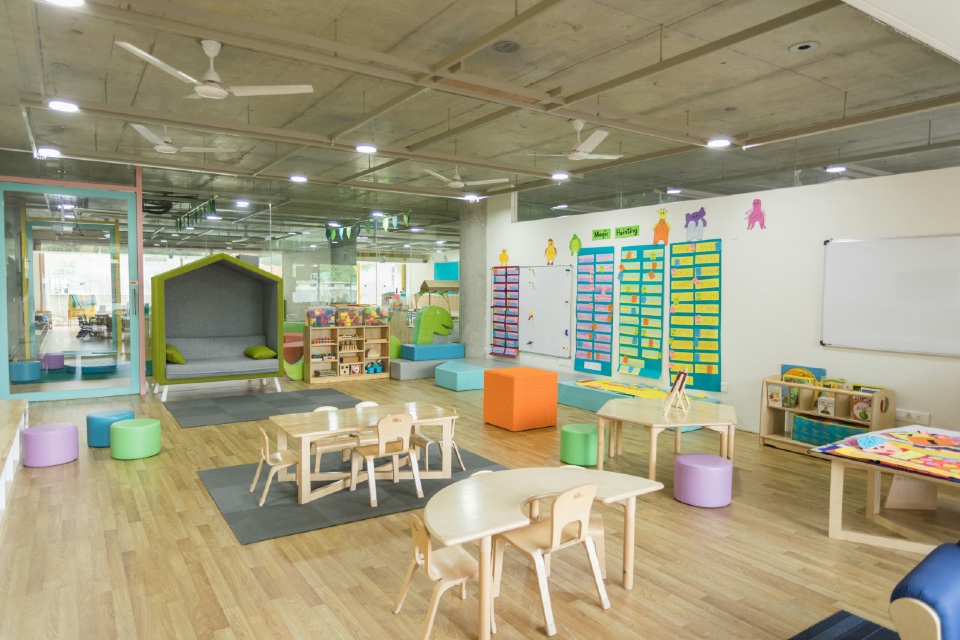
Where capital investment is available, schools are increasingly designing or refurbishing facilities with multiple uses in mind. Flexible layouts, independent access points, and clearly defined zones allow spaces to operate separately from core teaching areas.
This design-led approach reduces operational challenges and supports long-term adaptability, allowing schools to respond to changing needs without requiring significant redevelopment.
Unlocking the Value of School Estates
School estates are no longer viewed solely as education infrastructure. They are community assets with the potential to support wider public service delivery, generate income, and improve access to local facilities.
By embracing structured partnerships, flexible design, and clear governance models, schools can maximise space, improve utilisation, and unlock additional value from existing buildings without compromising safety, safeguarding, or educational priorities.
Are you looking for space creating (or saving!) solutions for your institution? The Education Forum can help!
Photo by John Mosquera on Unsplash