


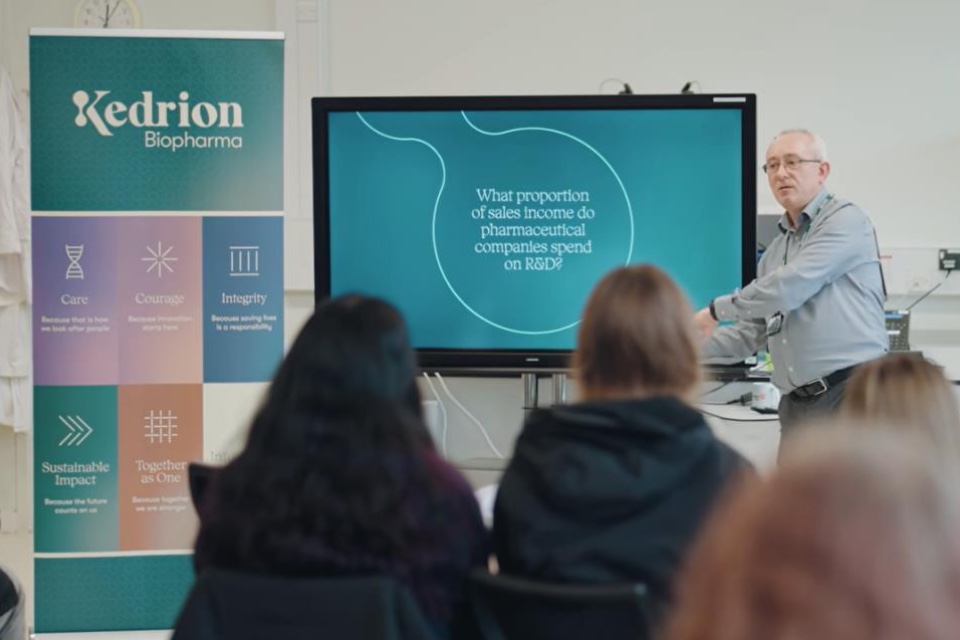
A new partnership between West Herts College and Kedrion Biopharma is underlining the increasing importance of aligning education estates with real-world industry requirements, particularly in high-tech sectors such as life sciences.
The collaboration, based in Hertfordshire, is providing students with hands-on experience, mentoring and exposure to careers in biopharma, a sector that continues to expand rapidly. For estates and facilities managers, the initiative reflects a broader shift toward practical, industry-integrated learning, with implications for how education spaces are designed, equipped and managed.
Through workshops and on-site engagement, students are gaining insight into laboratory processes, compliance requirements and the operational realities of pharmaceutical environments, areas that go beyond traditional classroom-based learning.
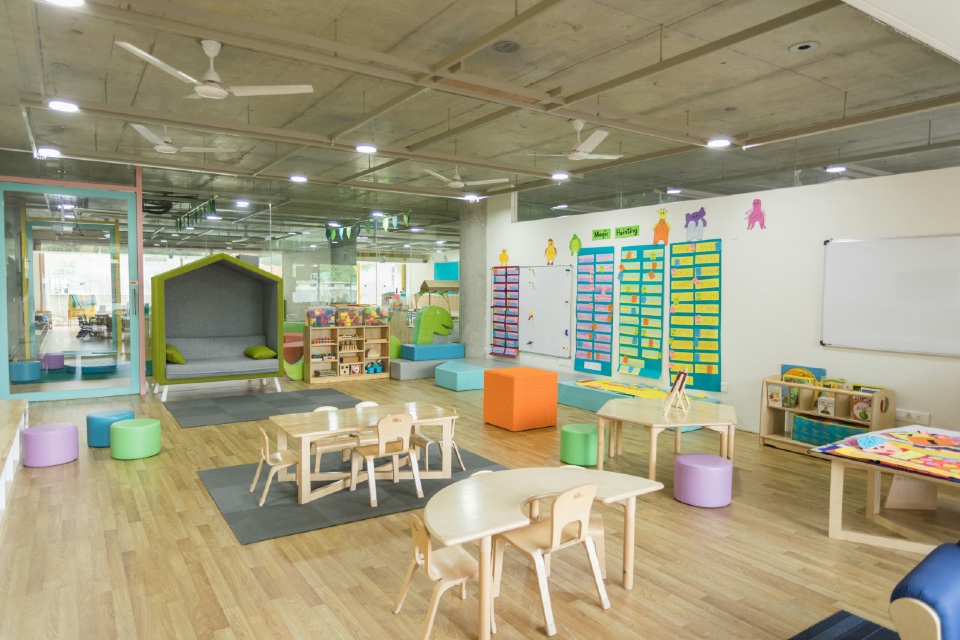
This growing emphasis on applied education is placing new demands on college infrastructure. Facilities teams are increasingly required to support specialist teaching environments, including labs and technical spaces that replicate industry conditions, while also ensuring compliance with safety and regulatory standards.
The partnership also highlights the role of estates in supporting employer engagement. Creating spaces that can accommodate visiting industry professionals, collaborative sessions and flexible learning formats is becoming a key consideration for colleges seeking to strengthen links with local employers.
From a strategic perspective, initiatives like this contribute to building regional skills pipelines, an area of growing importance as sectors such as biopharma compete for talent. By aligning facilities with employer needs, colleges can enhance both student outcomes and their attractiveness as partners to industry.
Students involved in the programme have already reported increased awareness of career pathways and a better understanding of workplace expectations, particularly in areas such as lab procedures, compliance and cross-functional roles.
Supporting modern education delivery goes beyond maintaining buildings. It requires creating adaptable, future-ready environments that can evolve alongside industry demands.
As collaboration between education providers and employers continues to grow, facilities and estates teams will play a critical role in enabling these partnerships, ensuring that campuses are equipped not just for learning, but for real-world application and workforce development.