


As the education sector steps up its climate ambitions, procurement teams in schools, colleges, and universities are rethinking the environmental impact of the furniture that fills their classrooms, lecture halls, and shared spaces. Sustainable school furniture is becoming a key focus, with education leaders prioritising low-carbon, circular solutions that support long-term sustainability goals without compromising quality, safety, durability, or cost-effectiveness.
Choosing Low-Carbon Furniture Materials
Low-carbon furniture procurement begins with the materials used in production. Educational institutions are increasingly prioritising suppliers that offer FSC-certified timber, ensuring wood products come from responsibly managed forests.
At the same time, demand is growing for desks, chairs, and shelving made from recycled plastics, metals, and composite boards. These materials help minimise virgin resource extraction and reduce the embedded carbon associated with furniture production.
However, sustainability is not only about what furniture is made from; it is also about how it is manufactured. Suppliers using low-emission manufacturing processes, including renewable energy in production and water-based adhesives or finishes, are gaining an advantage in public and private sector tenders.
The ability to provide transparent lifecycle data and Environmental Product Declarations (EPDs) is now considered a key differentiator when evaluating sustainable furniture suppliers.
Extending Furniture Lifespan Through Durability and Modularity
Durability and adaptability are essential elements of sustainable procurement. Education estates are increasingly seeking furniture ranges that are not only hard-wearing but also designed to be repaired, reconfigured, or upgraded over time.
For example, chairs with replaceable legs or upholstery and desks with interchangeable tops offer greater flexibility. These designs allow institutions to extend product lifespans, reduce waste, and avoid unnecessary replacements when requirements change or individual components become damaged.
Supporting a Circular Economy Approach
Circular economy principles are becoming increasingly embedded within the furniture procurement process. Rather than following a traditional buy, use, and dispose model, educational estates are working with suppliers that support reuse and resource efficiency.
Increasingly, institutions are partnering with suppliers that offer:
- Take-back schemes for unwanted furniture.
- Remanufacturing and refurbishment options.
- Leasing models that support reuse and reduce consumption.
These approaches help keep furniture out of landfill while supporting wider net-zero carbon goals through reduced waste and improved resource management.
Meeting Sustainability Standards and Procurement Requirements
Sustainability credentials are no longer a bonus; they are becoming a core part of furniture procurement decisions.
Furniture suppliers are increasingly expected to demonstrate:
- Compliance with environmental standards such as ISO 14001.
- Clear carbon footprint reporting.
- Responsible sourcing practices.
- Support for local or regional supply chains to reduce transport emissions.
For publicly funded institutions, alignment with UK Government Buying Standards and Social Value requirements is also an important consideration when selecting suppliers.
Using Furniture Procurement to Inspire Future Generations
Beyond compliance, education leaders are increasingly recognising the opportunity to use procurement decisions to demonstrate environmental responsibility.
Furniture is a visible and everyday part of the learning environment. When classrooms and shared spaces reflect principles of circularity, low waste, and ecological responsibility, they can help reinforce sustainability values among students, staff, and the wider community.
Conclusion
Choosing sustainable school furniture is more than an environmental decision; it is a strategic investment that can influence budgets, carbon footprints, and the quality of learning environments for years to come.
By prioritising low-carbon materials, durable designs, circular solutions, and responsible suppliers, schools, colleges, and universities can create spaces that support both their sustainability commitments and the needs of future generations.
Are you searching for buildings and furniture solutions for your school, college or university? The Education Forum can help!
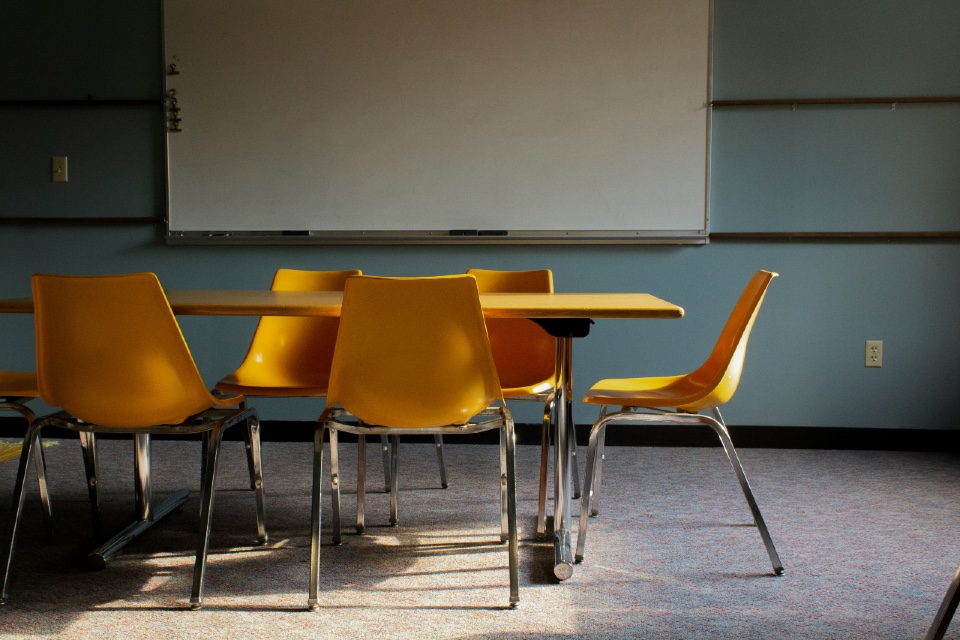
Photo by Brianna Lengacher on Unsplash