



As education estates continue to expand and diversify, maintaining consistent hygiene standards across multiple buildings has become an increasingly complex challenge. From primary schools with dispersed classrooms to universities operating multi-campus estates, facilities teams must manage hygiene at scale, ensuring safety, compliance and continuity without inflating costs or disrupting learning. Effective infection control in education settings is no longer just about cleaning frequency. It’s about coordination, consistency and control across every part of the estate…
The Complexity of Multi-Building Hygiene
Large education estates include a wide variety of environments, each with distinct hygiene requirements: classrooms, laboratories, sports facilities, catering areas, washrooms, libraries and residential accommodation. Usage patterns fluctuate throughout the day and across the academic year, increasing the risk of uneven standards if hygiene strategies are not tightly coordinated.
Without clear frameworks, estates teams can face:
- Inconsistent cleaning quality between buildings
- Gaps in high-touch surface management
- Difficulty tracking contractor performance
- Limited visibility of compliance across sites
- Increased risk during seasonal illness spikes
Standardising Hygiene Without Losing Flexibility
Best practice in 2026 involves creating estate-wide hygiene standards that can be flexed for different environments. This means defining core requirements, such as cleaning frequencies, products used, and response protocols, while allowing local variation based on building type and occupancy.
Centralised policies ensure:
- Consistency in hygiene outcomes
- Easier staff training and onboarding
- Clear expectations for internal teams and contractors
- Stronger audit readiness
Smarter Scheduling and Resource Allocation
Digital tools are playing a critical role in scaling hygiene effectively. Cleaning schedules are increasingly driven by real-time occupancy data, academic timetables and sensor inputs rather than static routines.
This allows estates teams to:
- Prioritise high-traffic buildings
- Increase cleaning during peak periods
- Reduce unnecessary activity in low-use areas
- Respond quickly to incidents or outbreaks
- Data-led planning ensures resources are deployed where they have the greatest impact.
Managing Contractors Across Large Estates
Many education institutions rely on multiple cleaning contractors across different sites. In 2026, contract management is becoming more performance-driven, with clear KPIs tied to hygiene outcomes, not just hours worked.
Digital reporting platforms enable:
- Real-time task confirmation
- Photo and checklist-based evidence
- Centralised performance dashboards
- Faster issue escalation and resolution
- This transparency strengthens accountability and drives continuous improvement.
Preparedness for Seasonal and Emerging Risks
Education estates must be resilient to predictable pressures, such as winter illness spikes, as well as emerging risks. Scalable hygiene strategies allow teams to ramp up measures quickly without rewriting procedures or renegotiating contracts.
Consistency Builds Confidence
Infection control at scale requires structure, insight and adaptability. This year, the most successful education estates will be those that deliver consistent hygiene standards across every building, protecting health while supporting uninterrupted learning and campus life.
Are you searching for Hygiene solutions for your school, college or university? The Education Forum can help!
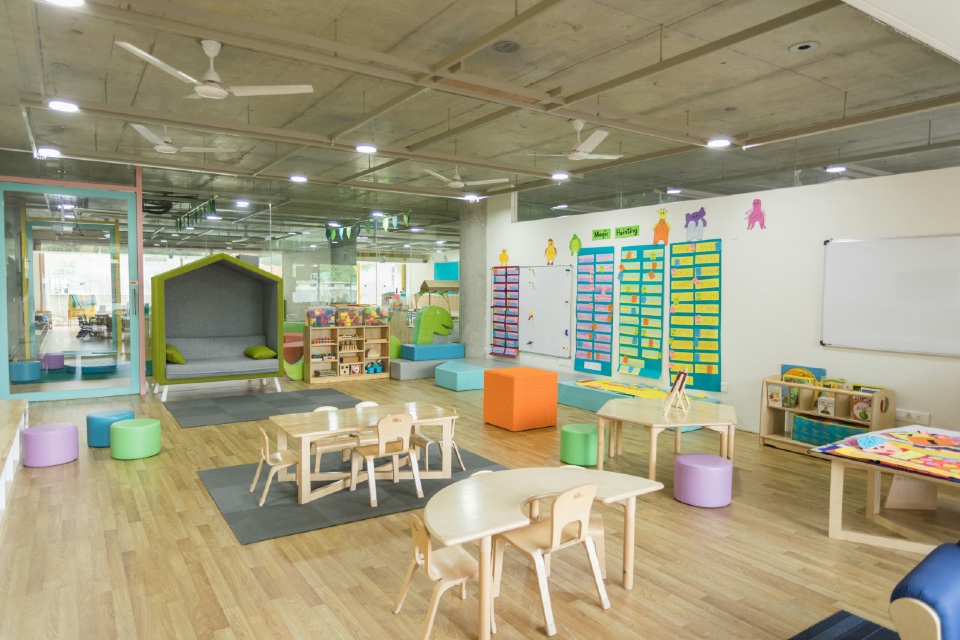
Photo by Matthew Tkocz on Unsplash