


Hygiene in education estates is often judged largely by what can be seen: clean floors, tidy washrooms and regularly emptied bins. While visible cleanliness remains important, it is no longer sufficient on its own. As 2026 gets underway, schools, collages and universities attending the Education Forum are recognise that hygiene is fundamentally about health protection, continuity of learning and staff wellbeing, not just appearance. As a result, hygiene strategies across schools, colleges and universities are shifting from routine cleaning to risk-based, outcomes-driven approaches designed to reduce illness transmission and support attendance…
Why ‘Clean’ Is No Longer Enough
Education settings are uniquely vulnerable to the spread of infection. High occupancy levels, shared spaces, frequent movement and varied age groups create ideal conditions for illness to spread quickly. Even short outbreaks can have a significant impact on student attendance, staff availability and operational continuity.
Traditional cleaning regimes, often based on fixed schedules, do not always reflect how spaces are actually used. In contrast, modern hygiene strategies focus on where risk is highest, not just where cleaning has always taken place.
Risk-Based Hygiene Takes Priority
Leading estates teams are now assessing hygiene through the lens of risk reduction. This means identifying high-touch surfaces, high-traffic areas and high-risk activities, then tailoring cleaning and disinfection accordingly.
Key focus areas include:
- Door handles, handrails and lift controls
- Washrooms and changing facilities
- Catering and food preparation areas
- Shared IT equipment and learning tools
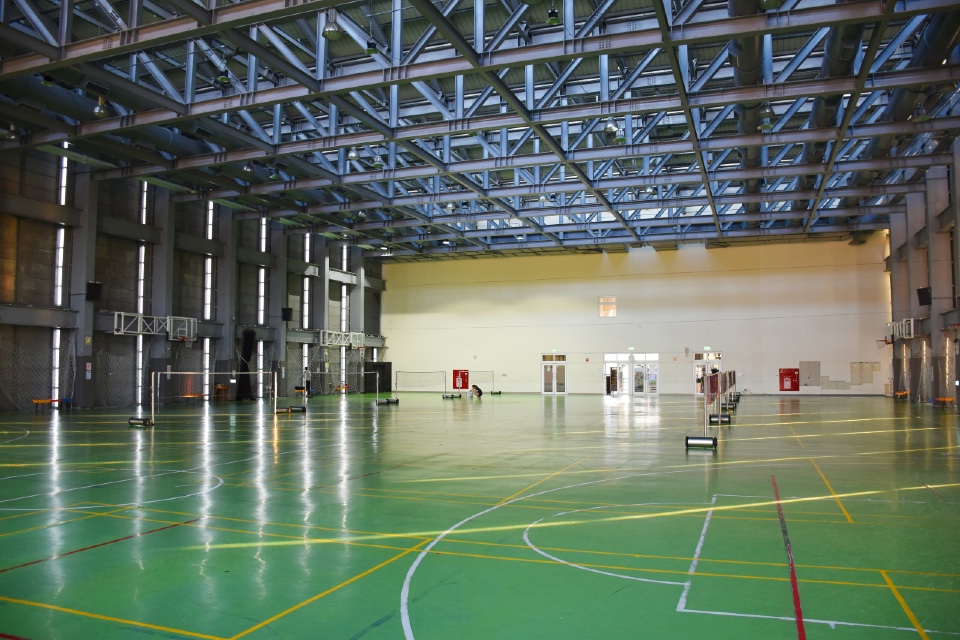
- Sports and performance spaces
By concentrating effort where it matters most, teams can achieve better health outcomes without significantly increasing costs.
Supporting Attendance and Learning Outcomes
There is growing recognition that effective hygiene plays a direct role in educational performance. Fewer illness-related absences mean:
- More consistent student attendance
- Reduced disruption to teaching schedules
- Lower reliance on temporary staff
- Improved staff morale and wellbeing
In this context, hygiene is increasingly seen as a preventative investment, rather than a reactive cost.
Wellbeing at the Centre of Hygiene Strategy
Modern hygiene strategies also support staff wellbeing. Clear standards, reliable supplies, and well-communicated protocols help staff feel safer and more confident in their working environment.
Hand hygiene stations, visible cleaning activity and transparent reporting all contribute to reassurance, particularly during seasonal illness peaks.
Data, Communication and Accountability
This year, many education estates are pairing risk-based hygiene with better data and reporting. Digital audits, spot checks and performance dashboards allow managers to monitor standards, identify gaps and demonstrate compliance to leadership teams and regulators.
Clear communication with staff, students and parents further reinforces trust and shared responsibility.
From Appearance to Assurance
The shift from ‘clean’ to ‘safe’ represents a fundamental change in how hygiene is viewed across education estates. By adopting risk-based strategies that prioritise health outcomes, institutions can protect attendance, support learning and create environments where both students and staff can thrive.
The most effective hygiene programmes are not just seen: they are felt in healthier, more resilient campuses.
Are you searching for Hygiene solutions for your school, college or university? The Education Forum can help!
Photo by Kelly Sikkema on Unsplash