



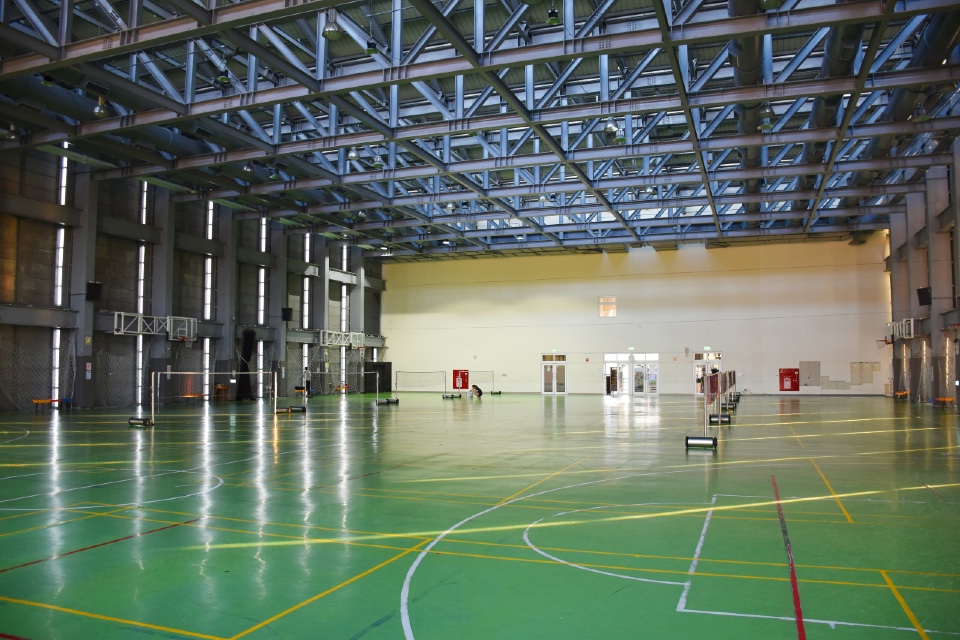
School estates across the UK are undergoing a quiet but significant shift. As timetabling becomes more flexible and campuses open up to wider community use, facilities and estates leaders at the Education Forum are being challenged to rethink how buildings are maintained, cleaned and secured. The traditional model of a school operating within fixed hours is giving way to a more dynamic, multi-use environment, with implications for everything from asset lifespan to staffing models…
The rise of hybrid campus use
Many schools are now extending the use of their estates beyond the standard school day. Facilities are increasingly being used for after-school clubs, adult education, sports groups and community services, often running into evenings and weekends.
At the same time, more flexible timetabling, including staggered schedules, shared spaces and multi-purpose classrooms, means buildings are in near-constant use. This shift maximises the value of school estates, but also introduces new pressures on maintenance and operations.
Increased wear and operational demand
Higher utilisation inevitably leads to increased wear and tear on key assets. Flooring, HVAC systems, washrooms and sports facilities are all subject to more frequent use, accelerating maintenance cycles.
Cleaning requirements are also evolving. Spaces may need to be cleaned multiple times throughout the day, particularly in high-traffic areas, rather than once after school hours. This requires more agile cleaning schedules and, in some cases, increased staffing or outsourced support.
Rethinking maintenance strategies
To respond effectively, schools are moving away from purely reactive maintenance towards planned and predictive approaches. Asset condition monitoring, usage data and digital maintenance systems can help estates teams anticipate issues before they escalate.
Flexible maintenance scheduling is also becoming more important. With buildings in use for longer periods, identifying suitable windows for maintenance work (without disrupting teaching or community activities) requires careful coordination.
Security and access management
Extended campus use also raises important security considerations. Managing access for multiple user groups, including external organisations, requires clear protocols and, increasingly, technology-enabled access control systems.
Zoning buildings, controlling entry points and ensuring safeguarding requirements are maintained are all critical when opening school estates to wider communities.
Aligning estates with evolving needs
For FM and estates leaders, the challenge is to balance maximising asset utilisation with maintaining safe, functional and cost-effective environments.
This may involve revisiting service contracts, investing in more durable materials or reconfiguring spaces to better support flexible use.
Ultimately, the move towards hybrid campuses reflects a broader shift in how school estates are valued, not just as places of learning, but as community assets. Adapting maintenance models to this reality will be key to ensuring buildings remain fit for purpose in an increasingly flexible and high-demand environment.
If you’re searching for FM & Maintenance solutions for your institution, the Education Forum can help!