



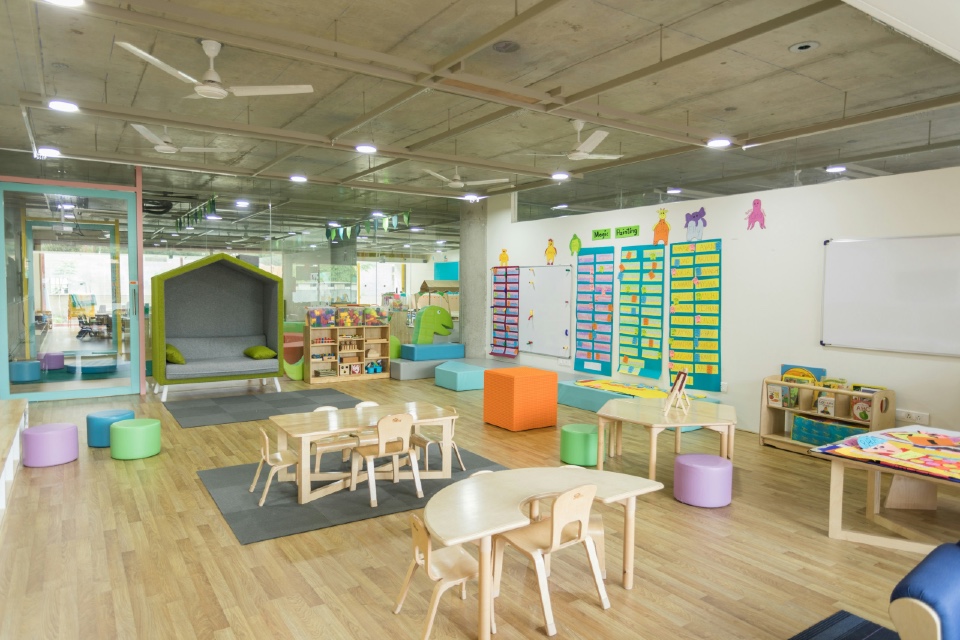
Modular and flexible learning spaces are becoming essential in both schools and higher education, offering versatile, adaptable environments that support a range of teaching styles and student activities. Senior facilities and estates management professionals and their suppliers attending the Education Forum and Education Technology Forum are leading the charge in redesigning flexible learning spaces that are more dynamic, efficient, and future-proof. Here’s how…
1. Why Are Flexible Learning Spaces Important?
Traditional fixed-layout classrooms no longer align with modern teaching methods, which increasingly emphasise:
- Collaborative learning – Group work and interactive discussions.
- Hybrid and digital education – Online and in-person learning integration.
- Personalised student experiences – Adaptable settings that support different learning styles.
A flexible learning environment ensures that spaces can be quickly reconfigured to accommodate different class sizes, subject areas, and teaching techniques. This adaptability helps improve student engagement, encourages collaboration, and supports better learning outcomes.
2. Flexible Learning Spaces Through Modular Design
Modular design is at the heart of flexible learning spaces, enabling efficient space utilisation and easy reconfiguration. Key modular solutions include:
- Mobile partitions – Movable walls allow for the quick transformation of large lecture halls into smaller breakout spaces.
- Modular furniture – Lightweight desks, chairs, and storage units can be rearranged to support lectures, workshops, or group activities.
- Multipurpose classrooms – Spaces equipped with retractable seating, interactive technology, and adjustable lighting can be tailored to different learning formats.
By investing in modular infrastructure, facilities managers can ensure that learning environments remain adaptable to future educational trends while supporting more engaging and collaborative teaching.
3. Technology Enhanced Learning Spaces
Technology plays a crucial role in enhancing flexible learning environments. Key integrations include:
- Interactive whiteboards and smart displays – Enabling hybrid and interactive teaching.
- Wireless connectivity – Supporting device-based learning and seamless student collaboration.
- AI driven space utilisation analytics – Helping estates teams optimise classroom layouts and energy efficiency.
These solutions enable real-time adaptability, ensuring that teaching spaces are fit for purpose in both digital and in-person learning models while supporting more effective learning experiences.
4. Sustainability and Cost Effectiveness
Modular spaces also contribute to sustainable campus development by:
- Reducing waste – Reconfigurable components extend the lifespan of classrooms.
- Enhancing energy efficiency – Smart lighting and climate control systems reduce energy consumption.
- Maximising space usage – Ensuring that every square metre is optimised for educational needs.
With budget constraints a key concern in the education sector, modular spaces offer a cost-effective alternative to traditional construction.
Conclusion
As the education sector continues to evolve, modular and flexible learning spaces are becoming critical to future-proofing UK schools, colleges, and universities. By integrating modular furniture, adaptive technology, and sustainable design, facilities managers can create dynamic, responsive environments that improve engagement, encourage collaboration, and support positive learning outcomes, while driving long-term institutional growth.
Are you looking for space creating (or saving!) solutions for your institution? The Education Forum can help!