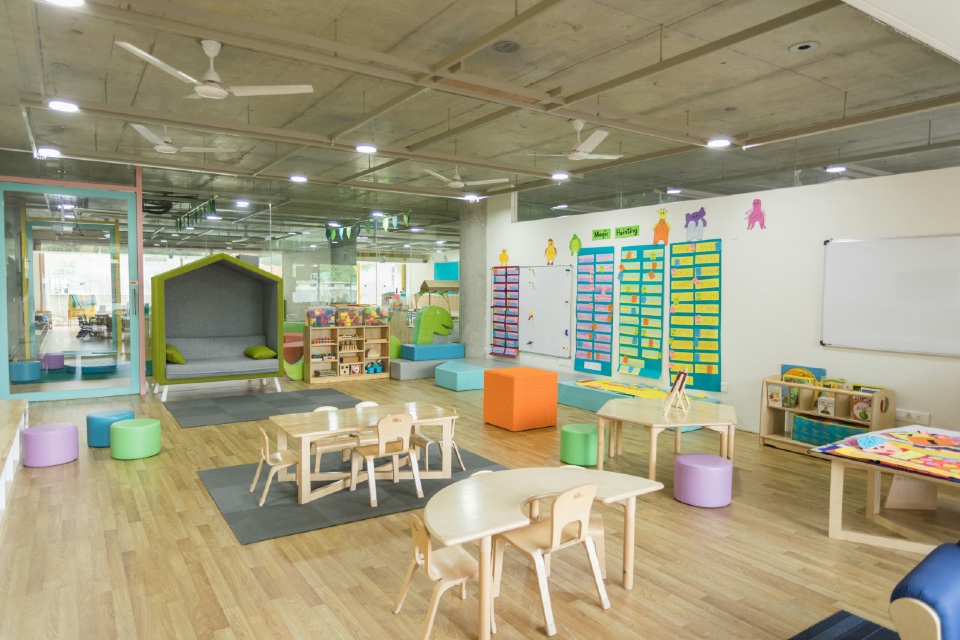




For senior procurement professionals in schools and colleges, selecting the right furniture for educational institutions is essential for creating effective learning environments while making the most of available budgets. Successful furniture procurement requires balancing aesthetics, functionality, durability, and cost-effectiveness to support flexible teaching, efficient space planning, and long-term value. Here are the key considerations.
The Benefits of Strategic Furniture Procurement
Enhanced Learning Environments
Well-designed furniture can have a significant impact on student engagement, comfort, and concentration. Creating comfortable and adaptable learning spaces helps support a positive educational experience for both students and staff.
Improved Space Utilisation
Carefully planned furniture layouts make better use of available space, allowing classrooms and shared areas to support a variety of teaching methods, group sizes, and learning activities.
Long-Term Value for Money
Investing in durable, high-quality furniture can reduce replacement costs and ongoing maintenance, delivering better value over the lifetime of the products.
Health and Safety
Ergonomic furniture promotes good posture, improves comfort, and helps reduce the risk of musculoskeletal issues among students and staff who spend extended periods sitting or working at desks.
Supporting Institutional Identity
Furniture also contributes to the overall appearance and atmosphere of a school or college. Well-designed learning spaces can reinforce an institution’s identity while creating welcoming environments that encourage learning.
Common Procurement Challenges
Budget Constraints
Balancing the need for high-quality furniture with limited budgets remains one of the biggest challenges for procurement teams. Focusing on whole-life value rather than upfront cost alone can support better purchasing decisions.
Meeting Diverse Needs
Educational environments must accommodate students with a wide range of learning styles, physical abilities, and accessibility requirements. Furniture should support inclusive learning while remaining practical and adaptable.
Maintenance and Cleaning
Furniture used in busy educational settings must be durable, easy to clean, and capable of withstanding frequent daily use without compromising its appearance or performance.
Sustainability
Many institutions are seeking environmentally responsible furniture options, balancing sustainability objectives with durability, quality, and budget considerations.
Evolving Learning Environments
Changes in teaching methods, curriculum delivery, and educational technology mean furniture increasingly needs to support flexible, multi-purpose learning spaces that can adapt over time.
Key Considerations When Selecting Furniture
Functionality
Assess the specific requirements of different areas across the estate, including classrooms, libraries, laboratories, breakout spaces, dining areas, and common rooms.
Durability
Select furniture manufactured from high-quality materials that can withstand heavy daily use and frequent cleaning while maintaining performance over many years.
Ergonomics
Prioritise furniture that promotes comfort, supports good posture, and contributes to healthier learning and working environments.
Aesthetics
Choose furniture that complements the institution’s visual identity while creating attractive, welcoming spaces for students, staff, and visitors.
Flexibility
Modular and movable furniture allows learning spaces to be reconfigured quickly for different teaching styles, collaborative work, and events.
Storage
Integrated storage solutions help maximise available space, reduce clutter, and create more organised learning environments.
Sustainability
Consider products manufactured from recycled or responsibly sourced materials, alongside suppliers that demonstrate strong environmental credentials.
Cost-Effectiveness
Evaluate furniture based on total lifecycle value, taking into account purchase price, durability, maintenance requirements, warranties, and expected lifespan rather than focusing solely on initial cost.
User Involvement
Gather feedback from teachers, students, and support staff during the procurement process to ensure furniture meets practical requirements and supports day-to-day learning.
Conclusion
Strategic investment in furniture for educational institutions goes beyond simply furnishing classrooms. By carefully balancing budget, functionality, space planning, durability, and long-term value, procurement professionals can create flexible learning environments that support student success while making the most of every investment.
Choosing the right furniture today can improve operational efficiency, enhance learning experiences, and deliver lasting value for educational institutions well into the future.
Are you searching for buildings and furniture solutions for your school, college or university? The Education Forum can help!